| Impact Weight (1-100) | 50 |
|---|---|
| Security Level | Sales |
| Evergreen Weight (1-100) | 90 |
| Status | Active |
| Date Created | Jun 1, 2026 |
| Last Updated | Jun 1, 2026 |
| Channel | Dealer Empower X |
| Owner | Daniel Force |
| Keywords | gateway, powerwall, meter collar, MPU, AC coupling, gas clearance, add-on, retrofit, Lightreach, Tesla, 400a service panel |
What Is the Gateway?
The Gateway is a device that sits between the utility meter and the main service panel (MSP). It manages how the Powerwall and Enphase 10c interact with the grid and the home's existing electrical system. It costs roughly $2,500 and is often cheaper, faster, and easier than the alternative (usually a Main Panel Upgrade).
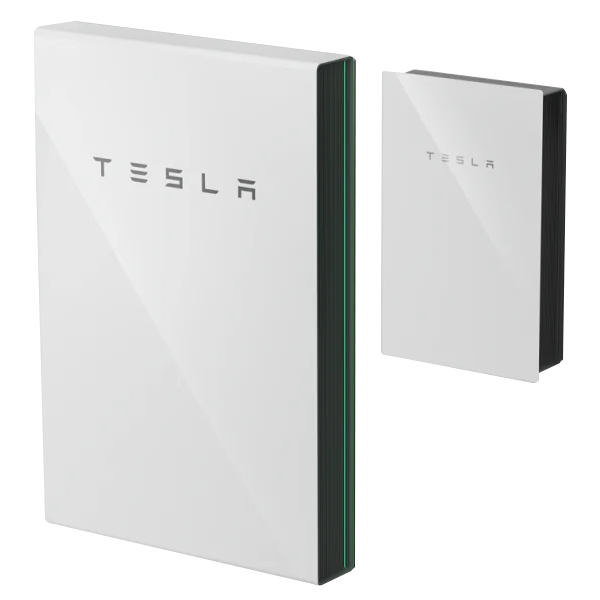
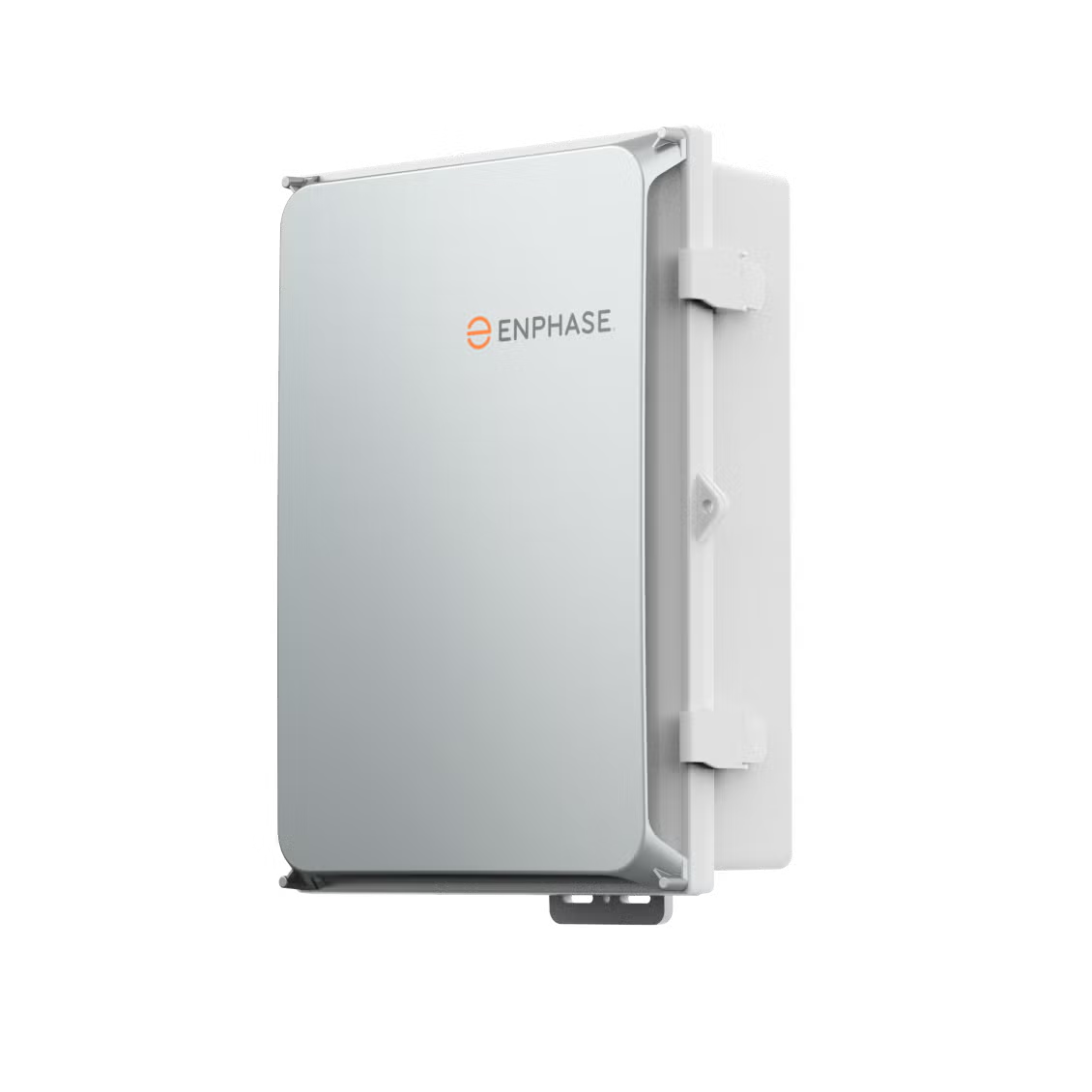
Field Guide: Spotting Gateway Projects
When you’re at a home, check for these three indicators:
- Gas location: Is gas piping directly below the MSP? If yes, flag for Gateway.
- Existing solar capacity: Systems drawing 40-60 amps hit the limit for a straight battery retrofit. Adding both battery and PV? The limit drops to 40 amps per Powerwall.
- Existing meter collar: If you see one on-site, assume Gateway until told otherwise.
The golden rule: Assume the Gateway is needed when you see any of these indicators. It is better to be pleasantly surprised than caught off guard by unexpected costs. These requirements exist regardless of what works technically. Utilities and finance partners hold the cards.
The Seven Reasons a Gateway May Be Required
1. Finance Partner Separation Requirements (Add-Ons Only)
Some finance partners require complete separation between existing equipment and new equipment. Lightreach add-ons are the primary example. Their contracts state that existing and new systems cannot interact or share liability.
The Gateway creates that separation. It walls off the new Powerwall system from the customer's existing solar, keeping each system electrically independent from the finance partner's perspective.
This requirement applies only to add-on projects, not new full-system installations. New installs use manufacturer-approved equipment packages that don't raise interaction concerns.
The MSP itself is considered neutral territory. Think of it as "Switzerland." Both systems can connect to the MSP without violating separation rules.
2. Utility Does Not Accept Meter Collars
If a utility does not accept meter collars (the Tesla Backup Switch), the only way to provide whole-home backup is the Gateway.
Tesla maintains an actively updated list of approved utilities by state. Here are some key ones to know:
California
| Does NOT Accept Meter Collars |
|---|
| Modesto Irrigation District |
| Imperial Irrigation District |
| LADWP |
Even if a utility accepts meter collars overall, it can still reject a specific project based on site conditions. This happens often in Arizona, where utilities pre-approve projects individually.
3. Gas Clearance Violations
Gas risers and gas meters must maintain a minimum clearance of 3 feet from the bottom corner of the MSP. More specifically: 3 feet from the vent at an angle, and 12 inches linear.
If the gas equipment is too close, the project cannot proceed with a standard panel configuration. The Gateway relocates the critical electrical components away from the gas conflict zone.
What this means for you: Look at the MSP during your site visit. If the gas line runs directly underneath it, flag the project as a likely Gateway requirement.
If clearance violations exist, the added cost must be communicated to the customer upfront. Do not absorb this cost hoping it will resolve itself.
4. AC Coupling Limits
The Powerwall 3 has an AC coupling limit of 7.68 kW per unit for existing solar systems. This is the maximum AC output the Powerwall can manage from external inverters.
| Configuration | AC Coupling Limit |
|---|---|
| 1 Powerwall 3 | 7.68 kW |
| 1 Powerwall 3 + Expansion | 10 kW |
| 2 Powerwalls | 15.36 kW |
Key detail: AC coupling limits are based on the inverter's AC nameplate rating, not the DC panel wattage. The utility only sees and cares about AC output. Homeowners often have more DC panel capacity than their inverter can output, and that is normal.
When a system exceeds the AC coupling limit, the Gateway can remove the existing solar from the backup load. During normal grid-up operation, the existing system still charges the battery. During a grid outage, it does not.
Why not use the Powerwall's built-in PV inverter? Two reasons. First, it does not meet FIAC or domestic content requirements (except GoodLeap DC2). Second, it has not passed California Rule 21 approval for non-export, which means it cannot be used for add-ons in California.
5. Avoiding a Main Panel Upgrade (MPU)
The Gateway is almost always preferable to an MPU. Here is the comparison:
| Gateway | MPU | |
|---|---|---|
| Cost | ~$2,500 | $3,500 |
| Timeline Control | In our hands | Depends on utility approval |
| Utility Involvement | None | Meter spot clearance, approval process |
The Gateway resolves back-feed limit issues that would otherwise force an MPU due to too much on-site PV and battery capacity. In some cases, an MPU is physically impossible because of gas clearance or other site constraints, making the Gateway the only viable path.
6. Customer Already Has a Meter Collar
If the home already has a meter collar installed, plan on the Gateway being required. In some cases the existing collar can be superseded, but treat this as the exception, not the rule.
7. 400a Service Panel
If the home has a 400a service panel, plan on the Gateway being required.
8. Obsolete Service Panels: A Disqualifier
If the home has a Zinsco, Federal Pacific, or Pushmatic panel, the project may be disqualified entirely. These panels cannot be made safe or financed. No Gateway will solve this. Flag these during your site visit and escalate immediately.